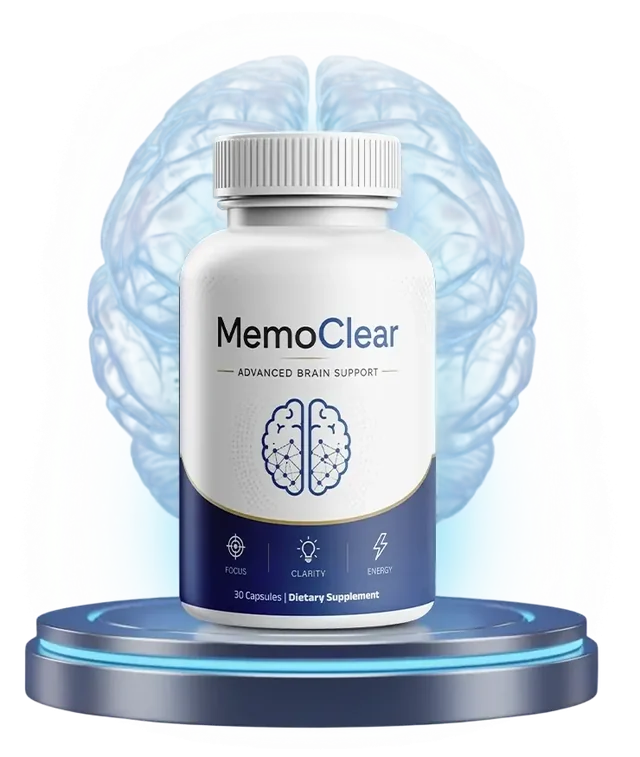
Learn
Five pieces about the things around this bottle: the physiology, the format, the habit, the test and the price.
What blood flow has to do with concentrating
Your brain is two per cent of your body and takes a fifth of your blood. Here is why a formula aimed at circulation ends up on a box that says focus.
6 minute read FORMATWhy a one-a-day capsule is a commercial sacrifice
Three capsules a day would let a maker print three times the numbers. The ones that do not are trading a better panel for a routine people keep.
5 minute read PRACTICEMaking a daily capsule stick, without a reminder app
Most bottles are abandoned in week three, and almost never because the person changed their mind. Here is what actually keeps a small daily thing going.
5 minute read EXPECTATIONSWhat sixty days of trying something actually looks like
A refund window is also an experiment with a sample size of one. Here is how to run it so the answer at the end means something.
6 minute read MONEYPrice per day is the only number worth comparing
Bundle sizes, serving sizes and bottle counts are all designed to make comparison hard. One division solves it.
4 minute readWhat these are for
None of these five pieces is about how good MemoClear is. They are about the questions that surround any bottle in this category: how circulation and thinking are connected, why serving sizes are chosen the way they are, what makes a daily habit survive past week three, how to run a sixty day trial that produces an answer, and how to compare two prices that were designed not to be comparable.
If you read all five and decide against buying anything, the pages have still done their job.

Read the panel before anything else
Seven rows on the back of a carton will tell you more than any page of prose, including these.
Checkout, payment and delivery are the seller’s. Sixty days from the date of purchase to ask for your money back, empty bottles included.