What the label supports
Three headings the panel can actually carry, and a plain account of how much weight each one takes.
Every supplement page on the internet has a section like this, and most of them are a list of adjectives. Here is the version where each heading has to point at a row on the panel before it is allowed to exist.
Circulation, which is where most of the label points
Four rows. L-Arginine at 200 mg, L-Arginine AKG at 200 mg, L-Citrulline HCL at 100 mg and L-Citrulline Malate at 100 mg. Six hundred milligrams of a seven hundred milligram capsule, all of it feeding the same pathway.
Your vessel walls make nitric oxide out of arginine, and nitric oxide is how they tell the surrounding muscle to relax. Citrulline is the back door to arginine that survives the liver. That is the physiology, and it is not in dispute.
What is in dispute, or rather what is unsettled, is how much a once-daily capsule of these amounts changes anything measurable in a particular person. We do not know, and the label does not claim to.
Energy release, on the strength of one number
Niacin is vitamin B3, and it is the backbone of two molecules, NAD and NADP, that every cell in your body uses to move electrons around while releasing energy from food. Without it nothing works, which is why a deficiency is a serious illness rather than a minor complaint.
A capsule gives 7.5 mg NE, which the panel puts at 47 per cent of the daily value. That is the one figure on this label that would move a needle in someone who was short of it.
Most people in the United States are not short of it. Chicken, tuna, beef, peanuts and fortified cereal are all substantial sources, and your own body makes some from tryptophan. Treat this row as insurance, not as a fix.

A habit, which is the part nobody writes about
One capsule a day is a design decision, and a commercially awkward one. A maker who wanted bigger numbers on the panel would use three capsules a day and triple everything. This one did not.
The trade is honest: smaller amounts, but a routine people actually keep. A supplement taken four days out of seven is not the product you bought. The arithmetic of a thirty capsule bottle is deliberately dull — open it on the first, finish it on the thirtieth, know exactly where you are.
There is a longer piece about this in the learn section, about why the format of a supplement predicts adherence better than the formula does.

What this page will not say
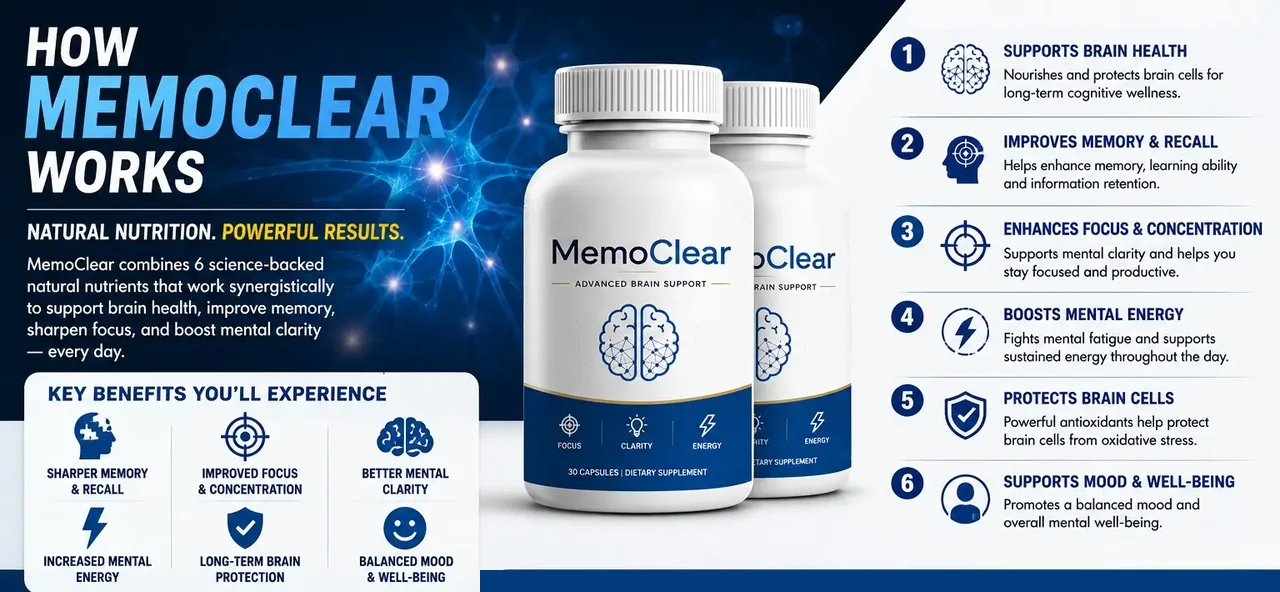
It will not tell you the capsule sharpens recall, clears fog or reverses anything. Those are claims about a disease or a function that this label cannot support, and a page that made them would be writing cheques the panel cannot cash.
Fair questions about all three
Does it improve memory?
We are not able to tell you that, and a dietary supplement label is not able to claim it either. What the carton carries as a strapline is memory, focus and brain support. What the panel carries is seven ingredients, most of them working on circulation.
What is the strongest thing on the label?
Niacin, measured against its own daily value. At 7.5 mg NE it is 47 per cent of a day's intake, and it is the only row on the panel with a percentage anyone would call substantial.
Is forty milligrams of beta alanine useful?
It is a small figure and we would rather say so than dress it up. The studies people quote on beta alanine use grams a day over weeks. Forty milligrams is a gesture at the ingredient, not a dose from that literature.
Why does the site keep talking about blood flow?
Because that is what the panel is mostly made of. Four of seven rows are arginine or citrulline, and 400 of the 640 milligrams of amino acids are pointed at one process. Writing about anything else would mean writing about a different product.
The formula, ingredient by ingredient
Seven pages, each with the amount, what it is, where it turns up in food and what it is doing on this particular panel.
Checkout, payment and delivery are the seller’s. Sixty days from the date of purchase to ask for your money back, empty bottles included.